-

Dye penetration inspection step
日期:2019-10-14 10:49:01 点击:1 好评:0The test surface is cleaned to remove any dirt, paint, oil, grease or any loose scale that could either keep penetrant out of a defect, or cause irrelevant or false indications....
-

NDT TEST-Eddy current testing features
日期:2019-10-12 13:58:06 点击:0 好评:0The skin effect induced by the eddy current is concentrated in the vicinity of the surface of the material near the excitation coil. The eddy current density decreases as the distance from the surface increases....
-

Dye Penetrant Inspection
日期:2019-10-12 10:44:37 点击:0 好评:0Dye Penetrant Inspection (DPI), also called Liquid Penetrant Inspection (LPI) or Penetrant Testing (PT)...
-
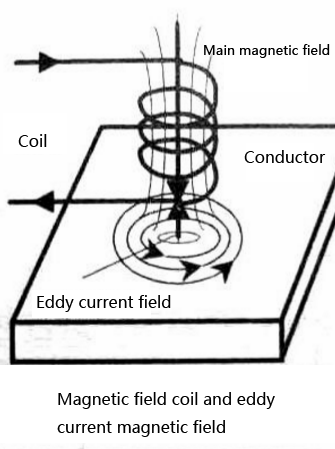
NDT TEST-Eddy current testing technology
日期:2019-10-11 11:34:42 点击:0 好评:0Using the principle of electromagnetic induction, non-destructive evaluation of certain properties of conductive materials and their attack by measuring changes in induced eddy currents in the attack, or a non-destructive detection method for defects,...
-
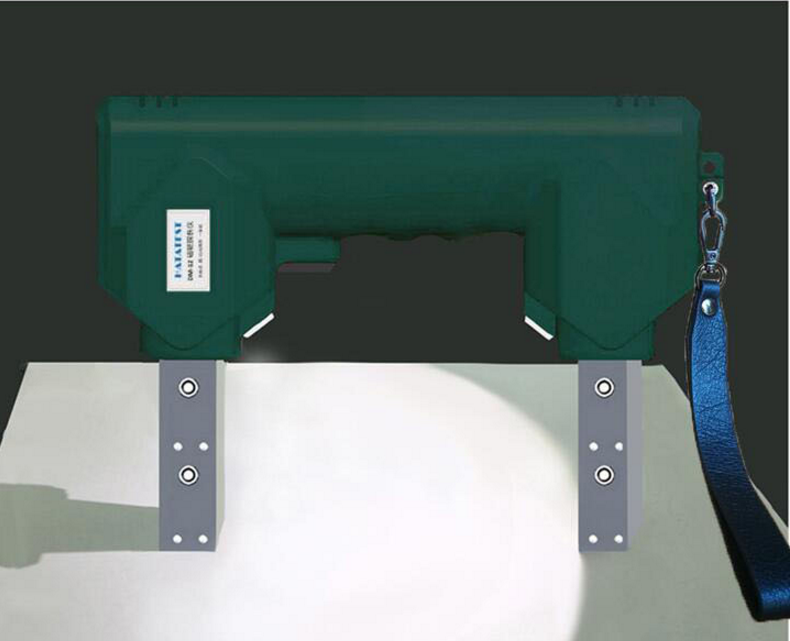
Magnetic powder inspection steps and advantages and disadvan
日期:2019-10-11 10:40:15 点击:0 好评:0MAGNETIC PARTICLE INSPECTION Can find both surface and near sub-surface defects,Some inspection formats are extremely portable and low cost...
-
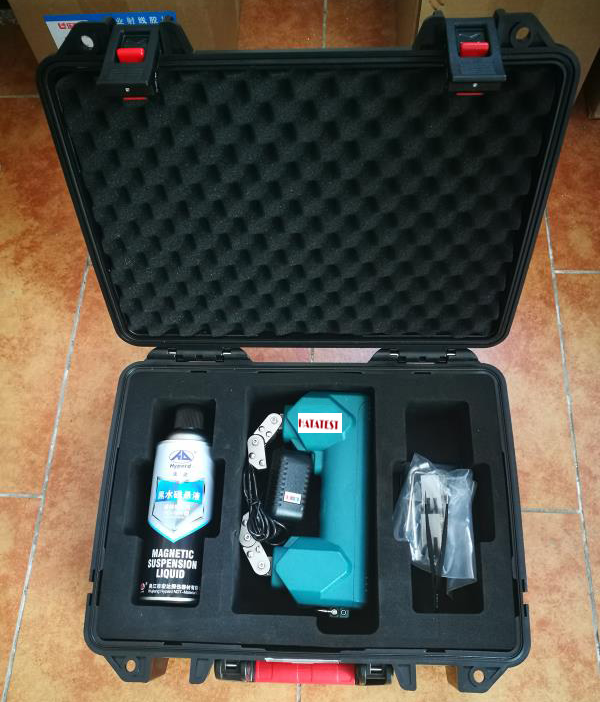
What is Magnetic Particle Inspection
日期:2019-10-10 10:22:12 点击:0 好评:0Magnetic particle inspection (often abbreviated MT or MPI) is a nondestructive inspection method that provides detection of linear flaws located at or near the surface of ferromagnetic materials....
-
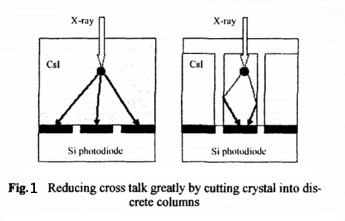
X-ray detector---crosstalk test
日期:2019-10-09 11:52:11 点击:0 好评:0Since the wavelength of the crystal emission is between 350 and 750 nm, the wavelength is not very long, and the crosstalk caused is small. In addition, the distance between the diode pixels is relatively large, 0.5 mm, which greatly reduces the cross...
-
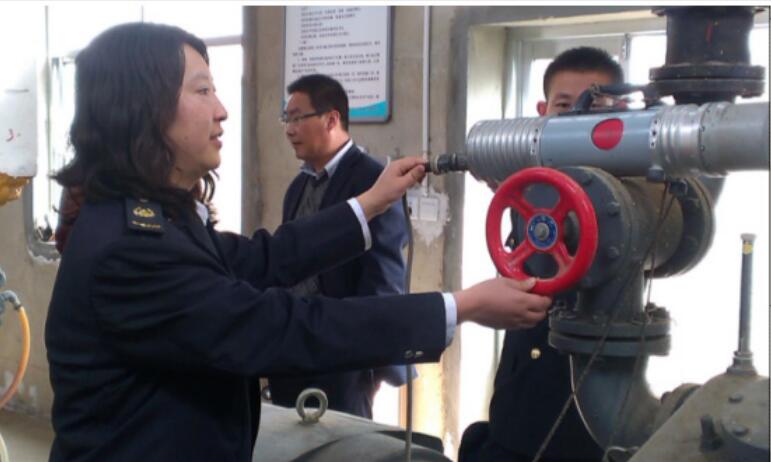
Ensuring Weld Quality through Nondestructive Techniques
日期:2019-10-09 10:49:47 点击:0 好评:0Nondestructive testing (NDT) provides the ability to monitor various aspects of material and product quality without compromising part integrity....
-
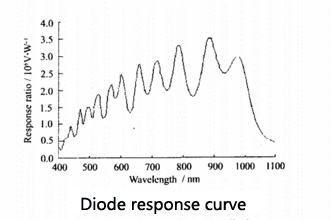
Photodiode response rate
日期:2019-10-08 11:20:39 点击:2 好评:0The response peak of the diode is 800---900 nm, and the relative response at 560 nm is only about 50%....
-
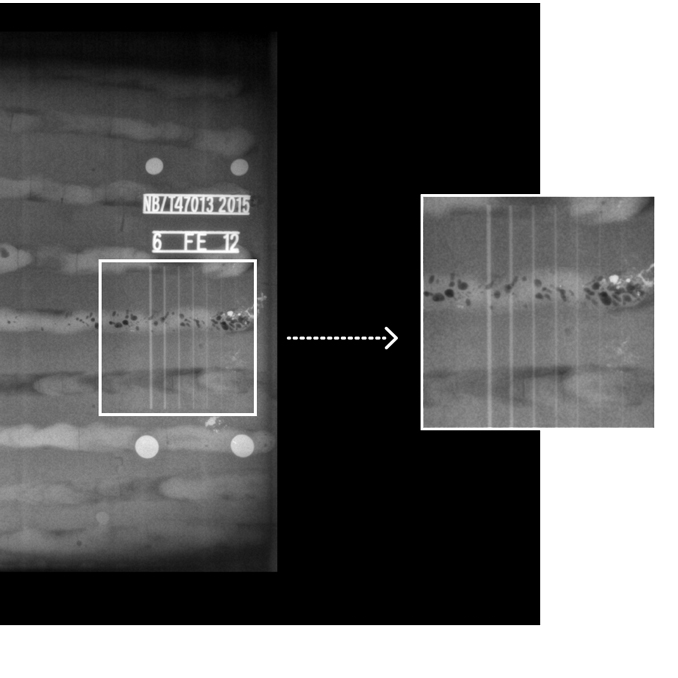
Primary NDT Methods
日期:2019-10-08 09:56:40 点击:0 好评:0There are an assortment of NDT techniques used throughout a broad cross-section of industries. The five most widely used techniques being radiography, ultrasonics, eddy current, liquid penetrant and magnetic particle....