-

Highlighting safety standards to celebrate Electrical Safety
日期:2019-09-11 10:21:28 点击:0 好评:0Electrical safety week for 2019 kicks off today serving as a timely reminder that safety around electricity is a 24/7 exercise. Given the complexity of the challenge...
-
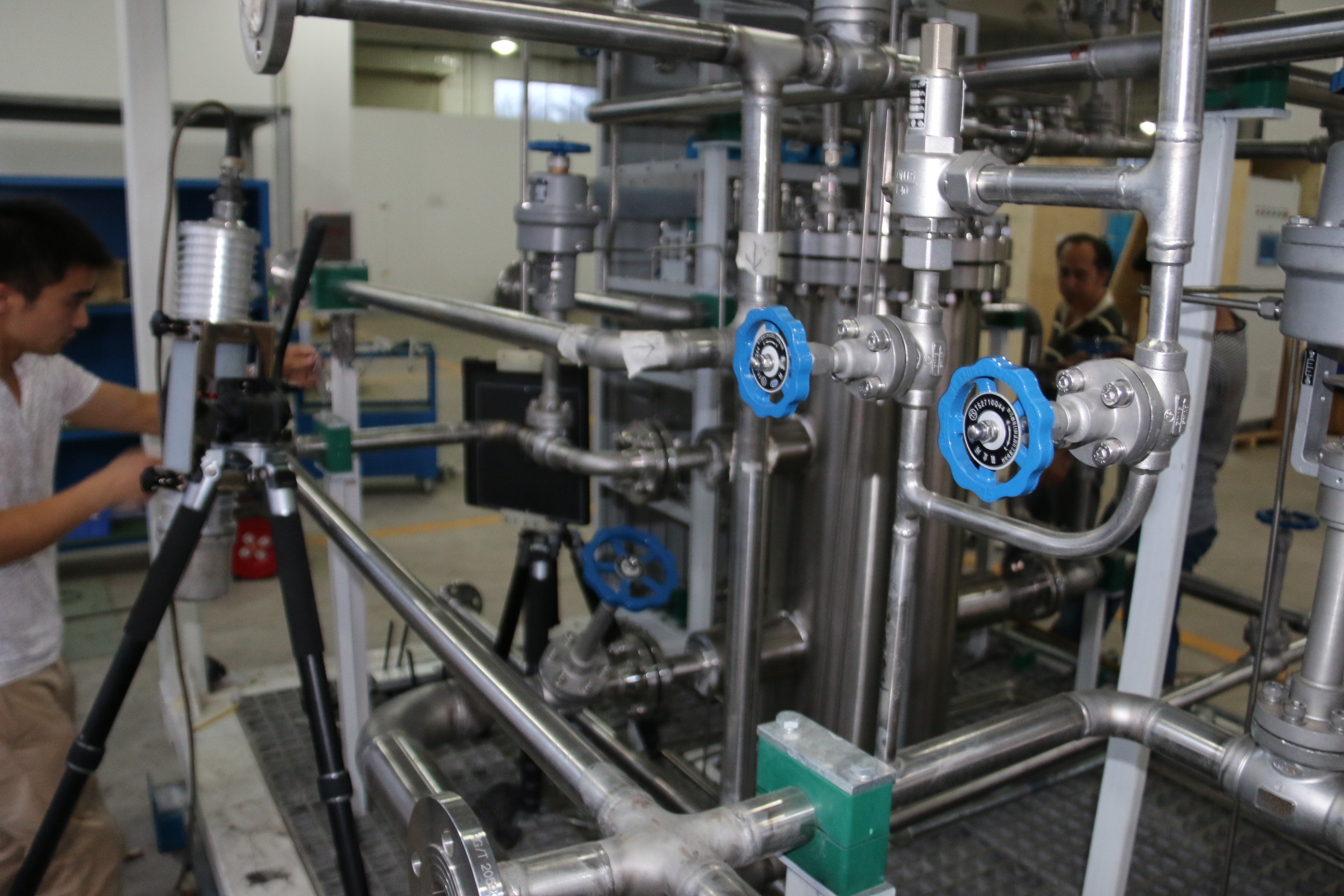
X-ray inspection---X-ray tomography
日期:2019-09-10 11:03:39 点击:1 好评:0The X-ray tube and the detector are integrated as a synchronous rotation, respectively located at opposite positions on both sides of the workpiece....
-
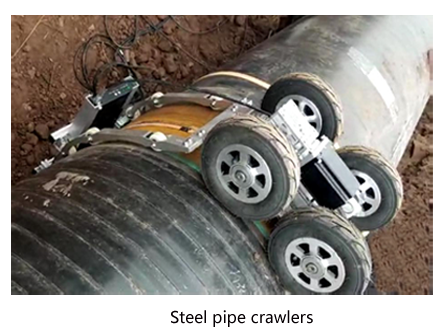
NDT service market analysis trends and forecasts
日期:2019-09-10 10:32:46 点击:0 好评:0Non-Destructive Testing (NDT) Services market worldwide is projected to grow by US$4.1 Billion, guided by a compounded growth of 7.7%. ...
-

Advantages and considerations of aerospace CT
日期:2019-09-09 10:55:26 点击:0 好评:0In aerospace applications this is fundamental because of the often high cost of the parts, which does not allow for destructive testing....
-

X-ray inspection-Digital radiography
日期:2019-09-09 10:52:25 点击:0 好评:0Computer radiography refers to the technique of recording information after X-rays are transmitted through a workpiece on an imaging board, reading by a scanning device, and generating a digitized image by a computer....
-
Application of CT in aerospace NDT
日期:2019-09-07 11:57:27 点击:0 好评:0The three main components of an x-ray CT system are the x-ray source, rotary table and detector. Different CT system configurations exist: for example, flat panel detectors (DDA) or linear diode array detectors (LDA) can be used....
-
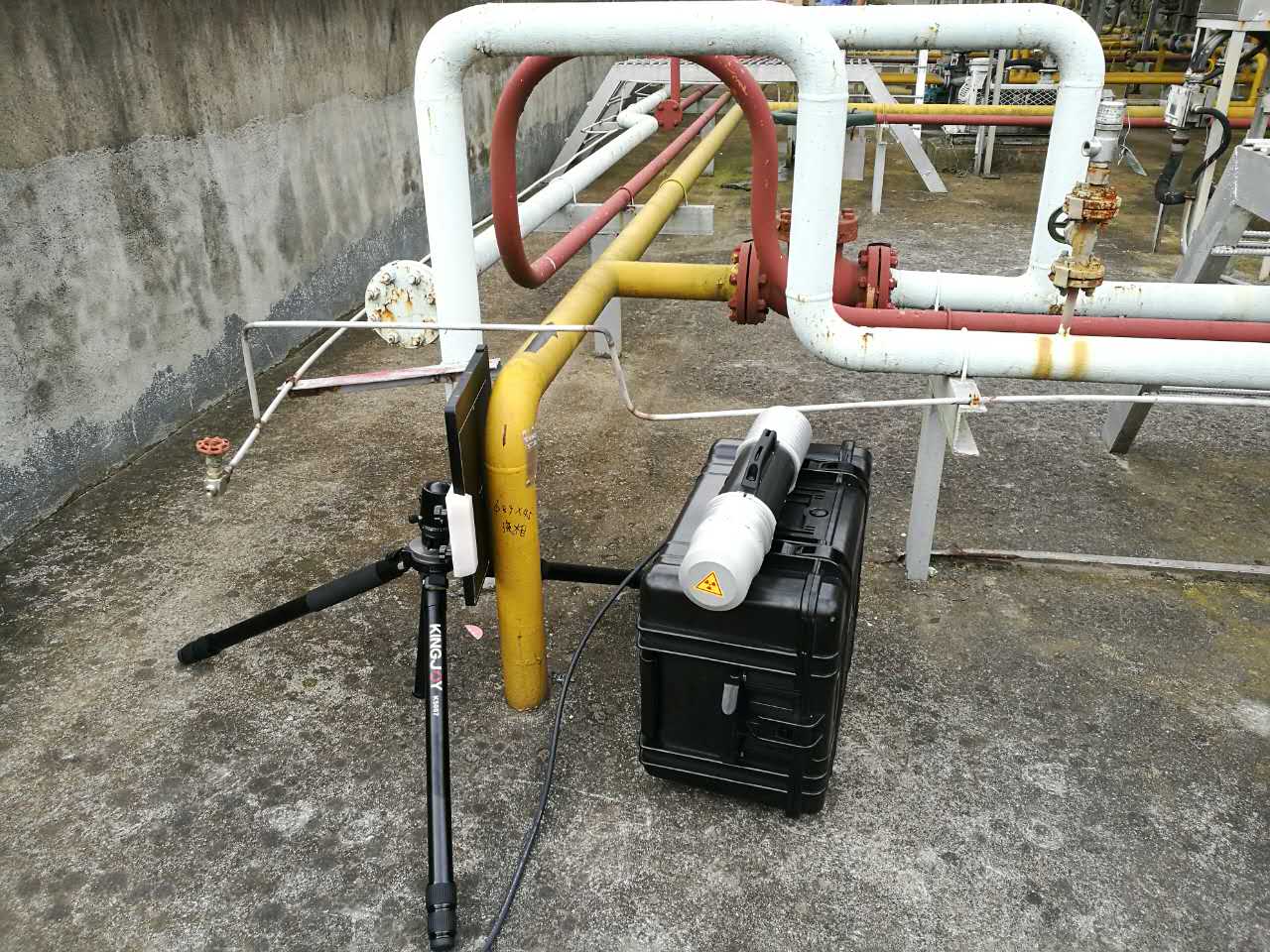
X-ray detection---ray real-time imaging detection technology
日期:2019-09-07 11:06:29 点击:0 好评:0Radiation real-time imaging detection technology refers to the detection technology that can observe the generated image while exposure...
-
X-ray technology---High energy radiography
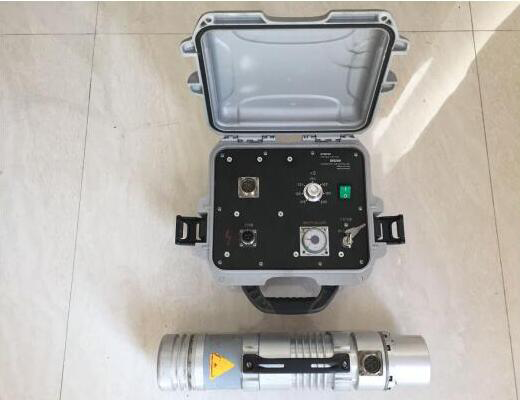
日期:2019-09-06 10:38:09 点击:0 好评:0X-rays with a capacity above 1 MeV are called high-energy rays.Industrial radiography usually uses two electronic speed governors, ie cyclotrons and linear accelerators....
-

X-ray computed tomography in aerospace
日期:2019-09-06 10:13:12 点击:0 好评:0X-ray computed tomography (CT) has successfully entered the field of coordinate metrology as a flexible non-contact measurement technology for performing dimensional measurements on industrial parts....
-
Quality control measures for non-destructive testing of pres
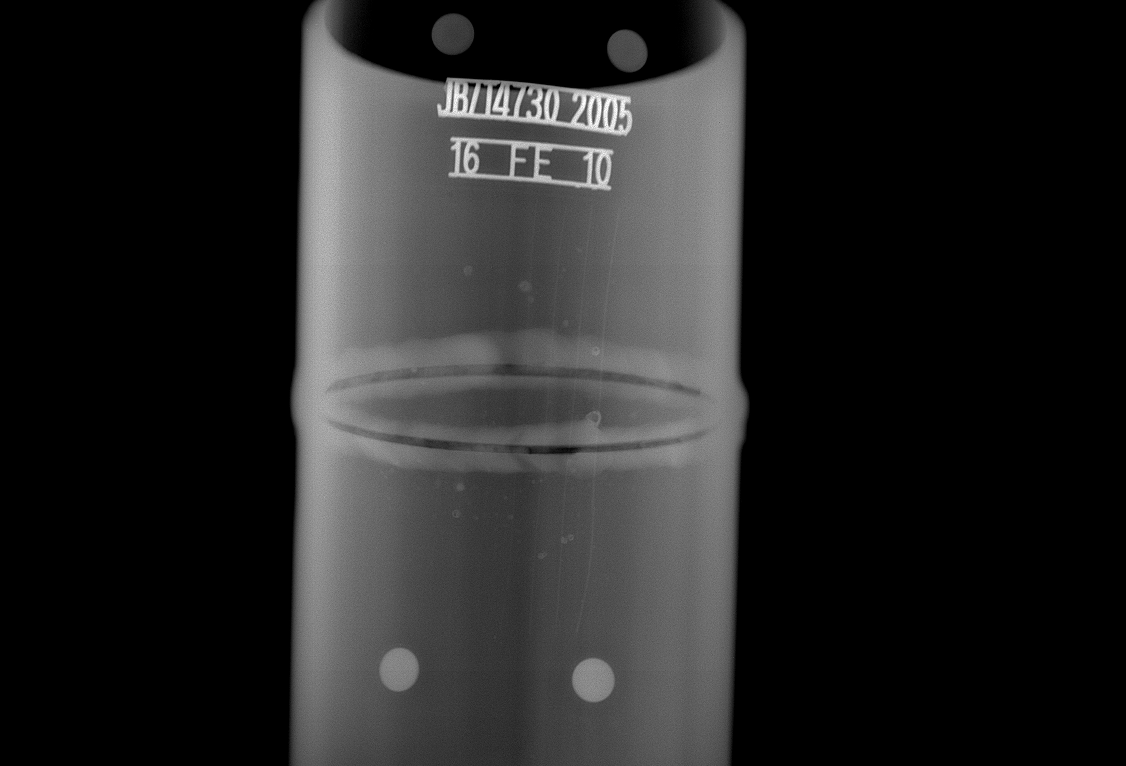
日期:2019-09-05 11:11:37 点击:1 好评:0The pressure pipeline is part of the pipeline and is mainly responsible for the transportation, distribution, mixing, separation, discharge, measurement and control of various natural resources such as oil and natural gas....