-
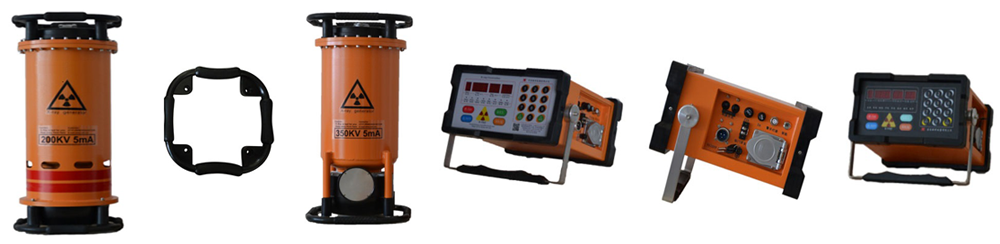
Radiation detection
日期:2019-07-24 10:17:25 点击:1 好评:0Radiation detection is most important to detect macroscopic geometric defects inside the test piece. Radiography refers to a non-destructive testing method in which a test piece is penetrated by X-ray or R-ray and a film is used as a device for record...
-
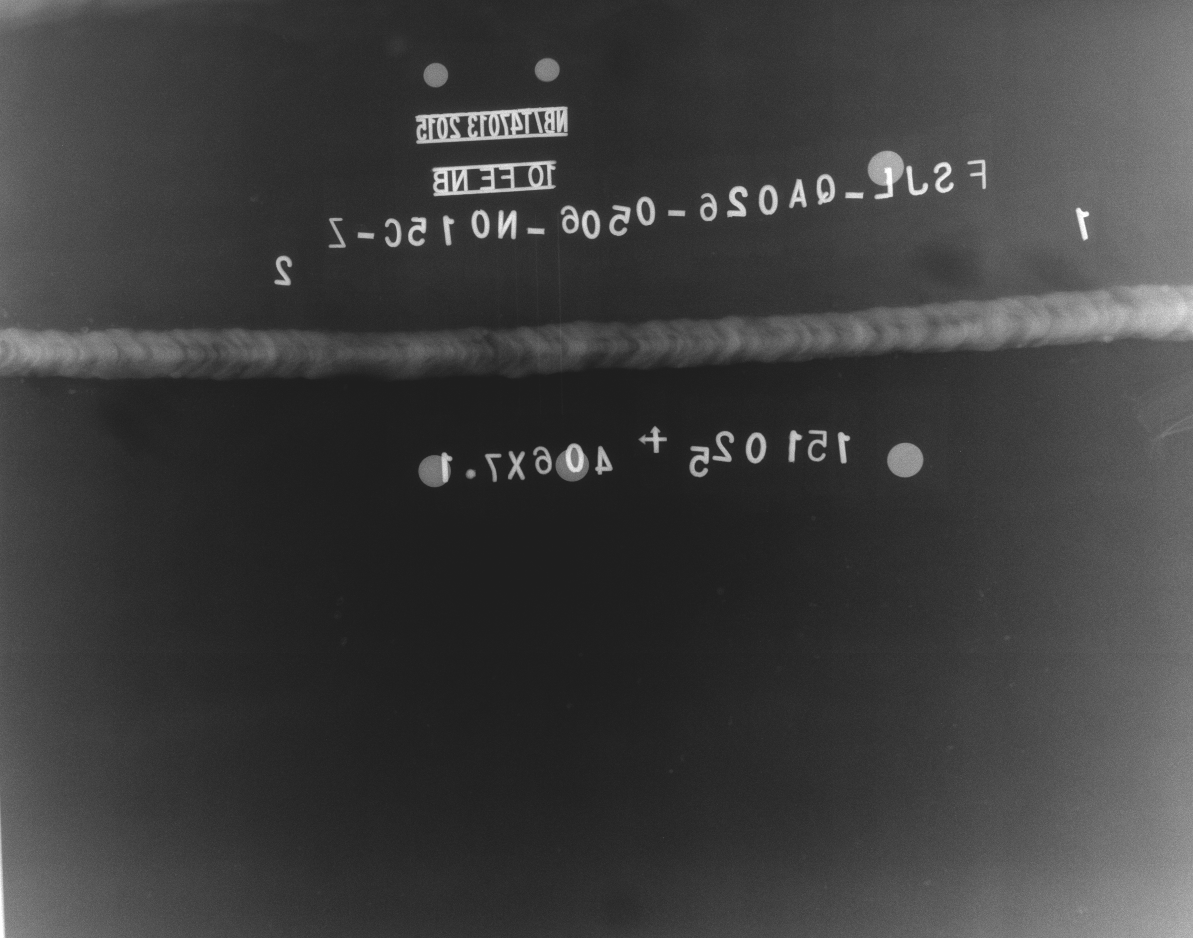
Ultrasonic testing technology level selection and quality as
日期:2019-07-23 10:37:35 点击:1 好评:0The ultrasonic testing technology grade is divided into three detection levels: A, B, and C. Class A is the lowest level, low sensitivity; Class B is medium sensitivity; Class C is the highest level, high sensitivity...
-
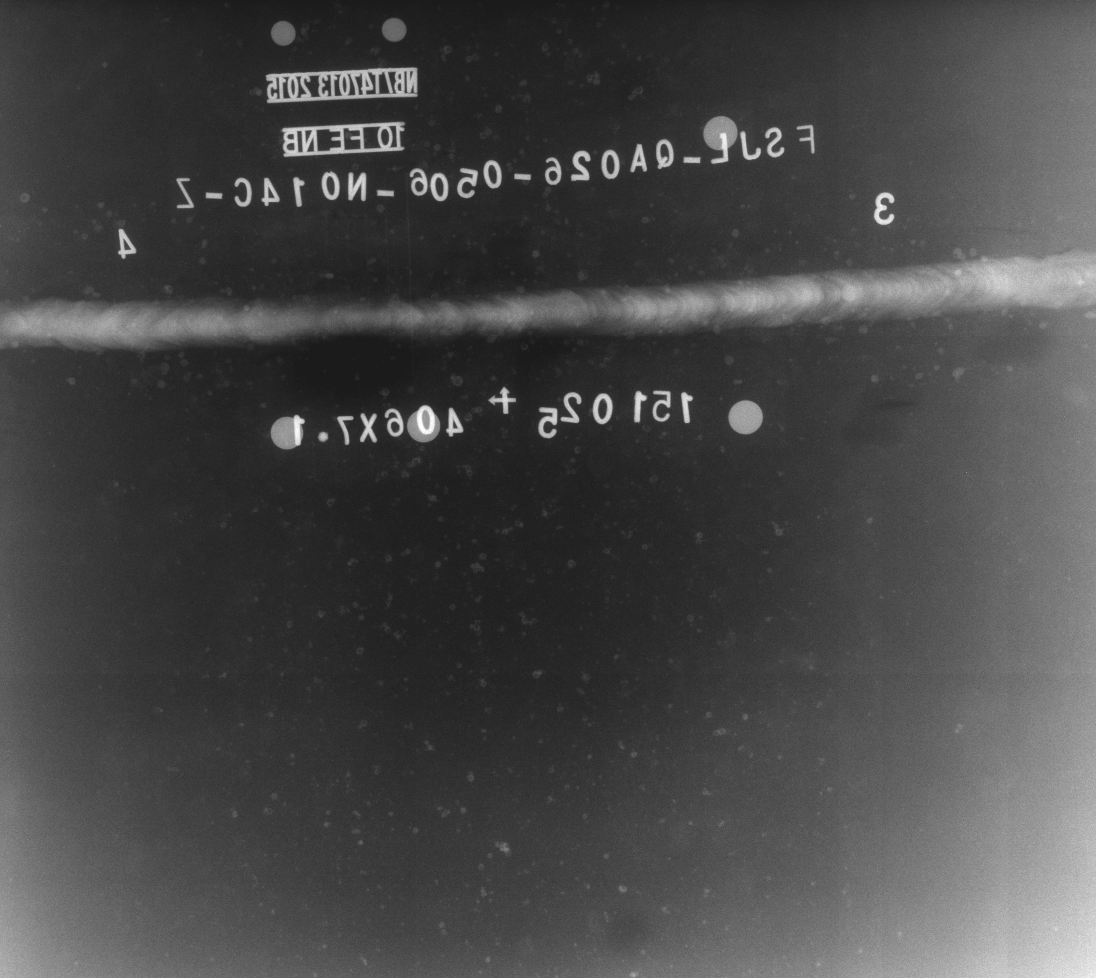
Common methods and means for non-destructive testing of weld
日期:2019-07-22 11:10:01 点击:0 好评:0Weld quality Ultrasonic testing is mainly used to detect internal defects in welded joints, such as pores, slag inclusions, unwelded heads, unfused, cracks and other welding defects. Ultrasonic waves have a higher detection rate than ray-like defects ...
-
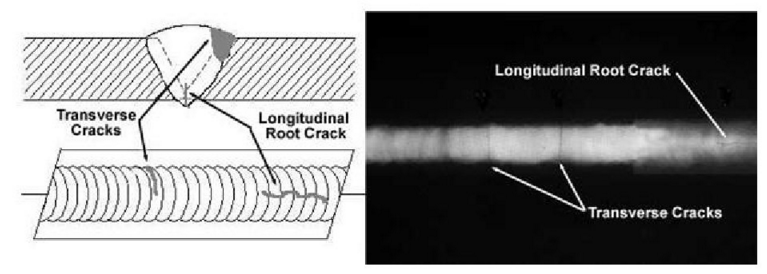
Common welding defects
日期:2019-07-19 10:14:28 点击:0 好评:0Welding defects are the phenomenon that the metal produced in the welded joint is discontinuous, not dense or poorly connected during the welding process....
-
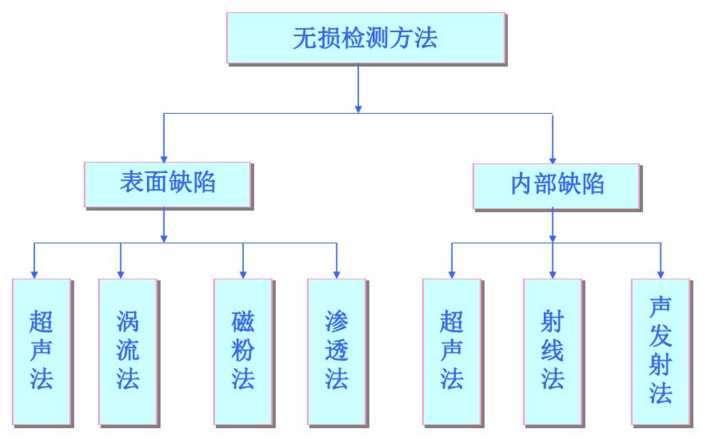
Classification of non-destructive testing methods
日期:2019-07-18 10:47:20 点击:1 好评:0Ultrasonic pulses are injected directly into the specimen, and ultrasonic echoes (transmission attenuation) can indicate the presence and location of defects, interfaces, and discontinuities....
-
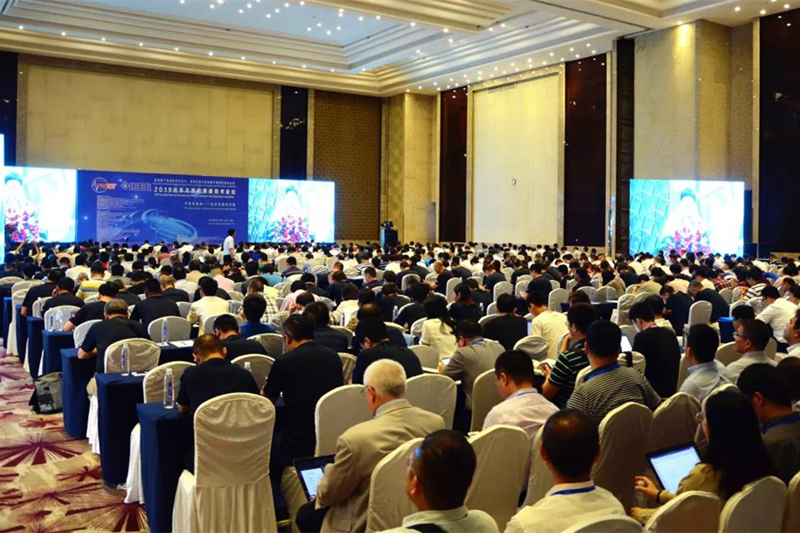
HATATEST brings new products to the 2019 Far East Nondestruc
日期:2019-07-18 10:46:13 点击:0 好评:0The 2019 Far East Nondestructive Testing New Technology Forum was held on June 24-27, 2019 at the Wyndham Grand Hotel Qingdao Silver Beach in Qingdao, Shandong Province....
-
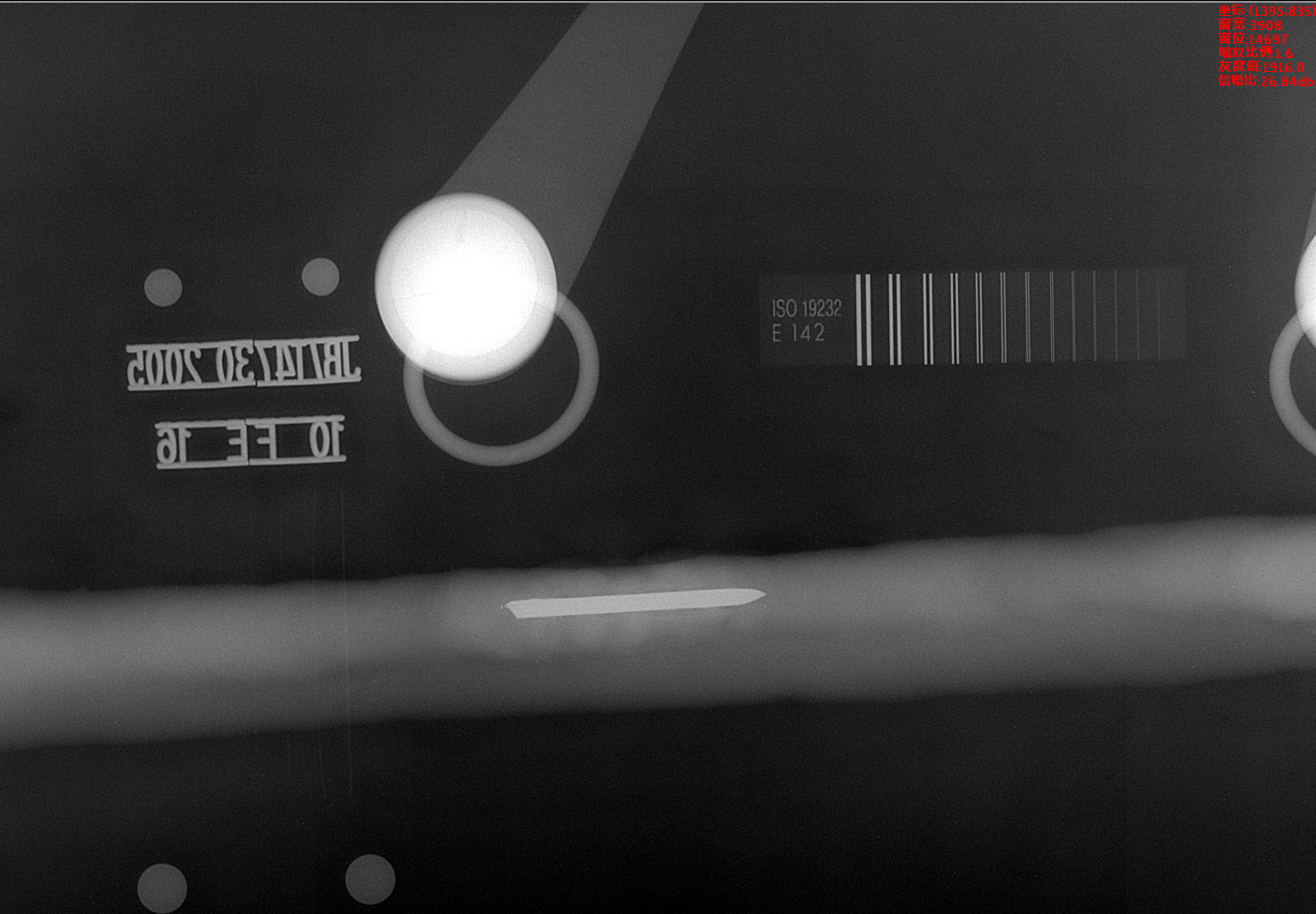
Welding quality nondestructive testing technology-1
日期:2019-07-17 11:22:46 点击:0 好评:0Non-destructive testing is based on the premise of not impairing the performance of the object being tested. It applies various physical principles and chemical phenomena to effectively inspect and test various engineering materials, components and st...
-
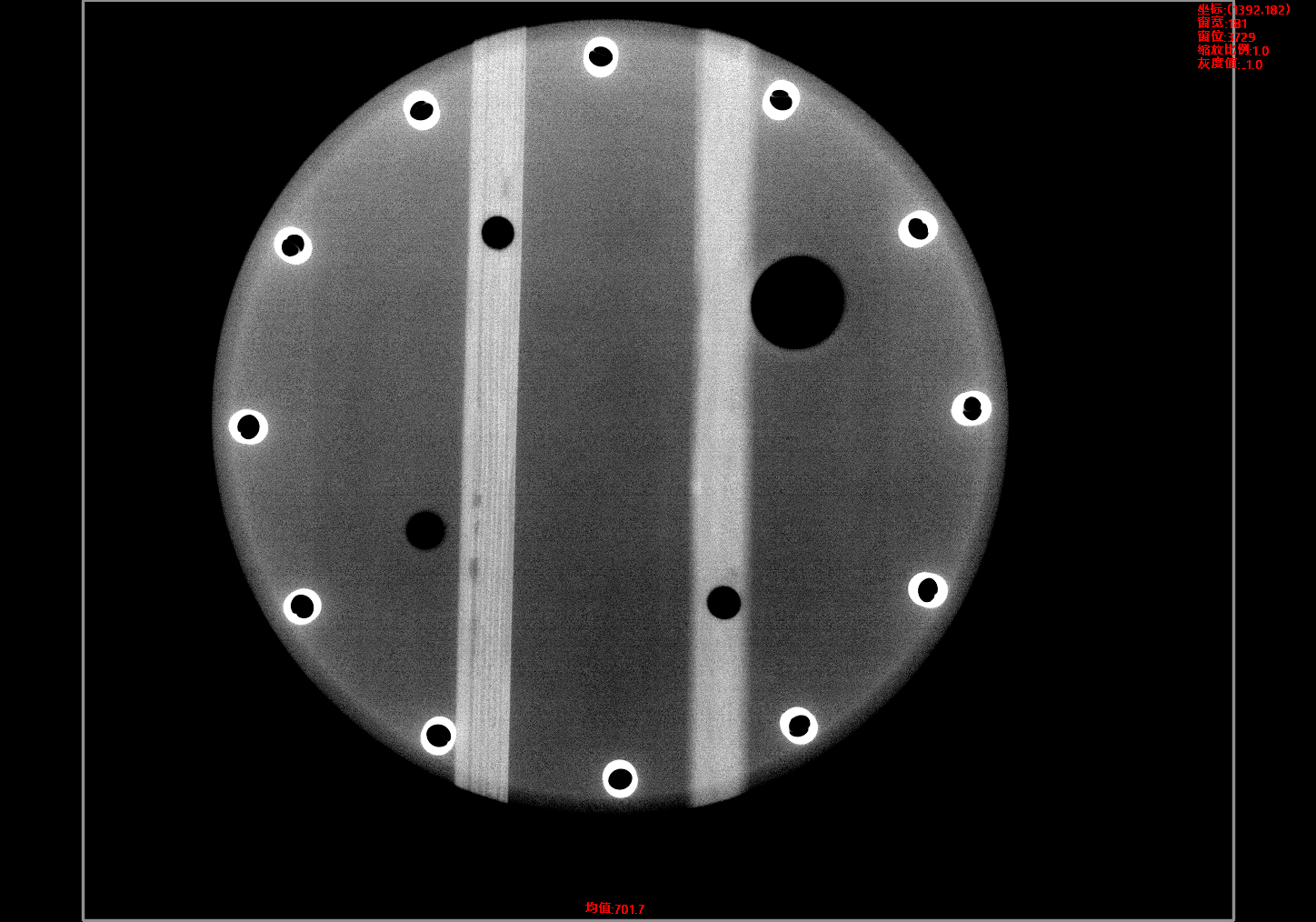
DR technology comparison and flat panel detector knowledge-3
日期:2019-07-16 11:35:12 点击:1 好评:0Since DQE affects the contrast of an image, spatial resolution affects the ability of the image to resolve details....
-
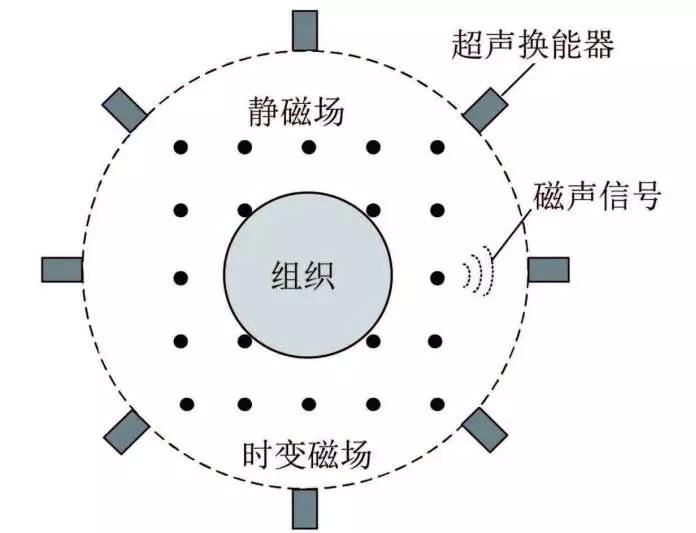
The power of fusion: inductive magneto-acoustic non-destruct
日期:2019-07-15 16:23:49 点击:0 好评:0The power of fusion: inductive magneto-acoustic non-destructive testing...
-
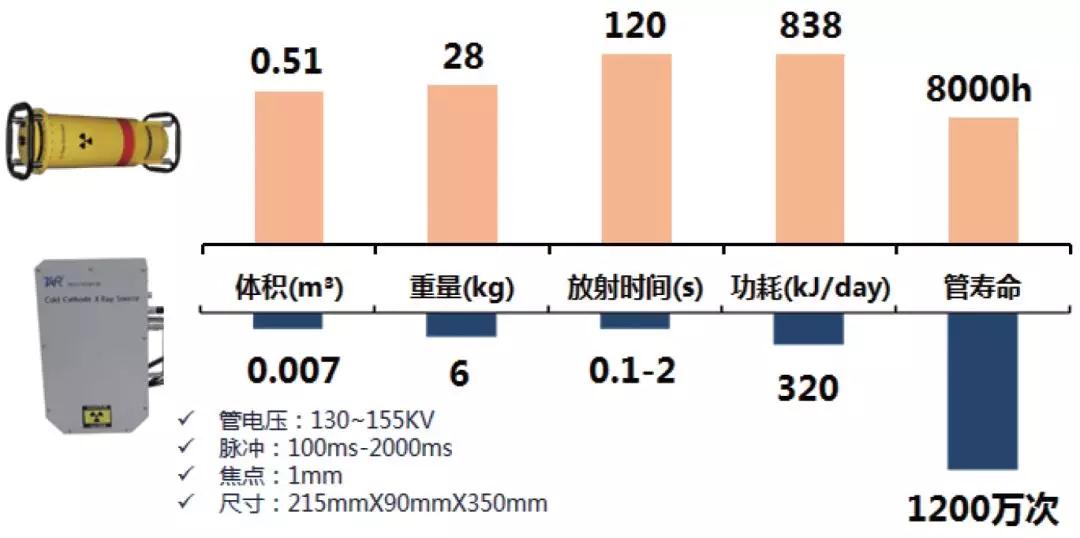
Cold cathode digital ray imaging
日期:2019-07-15 15:12:29 点击:0 好评:0The so-called cold cathode refers to a cathode in an electron tube that emits electrons without heating. ...