Common methods and means for non-destructive testing of weld
时间:2019-07-22 11:10 来源:未知 作者:admin 点击:次
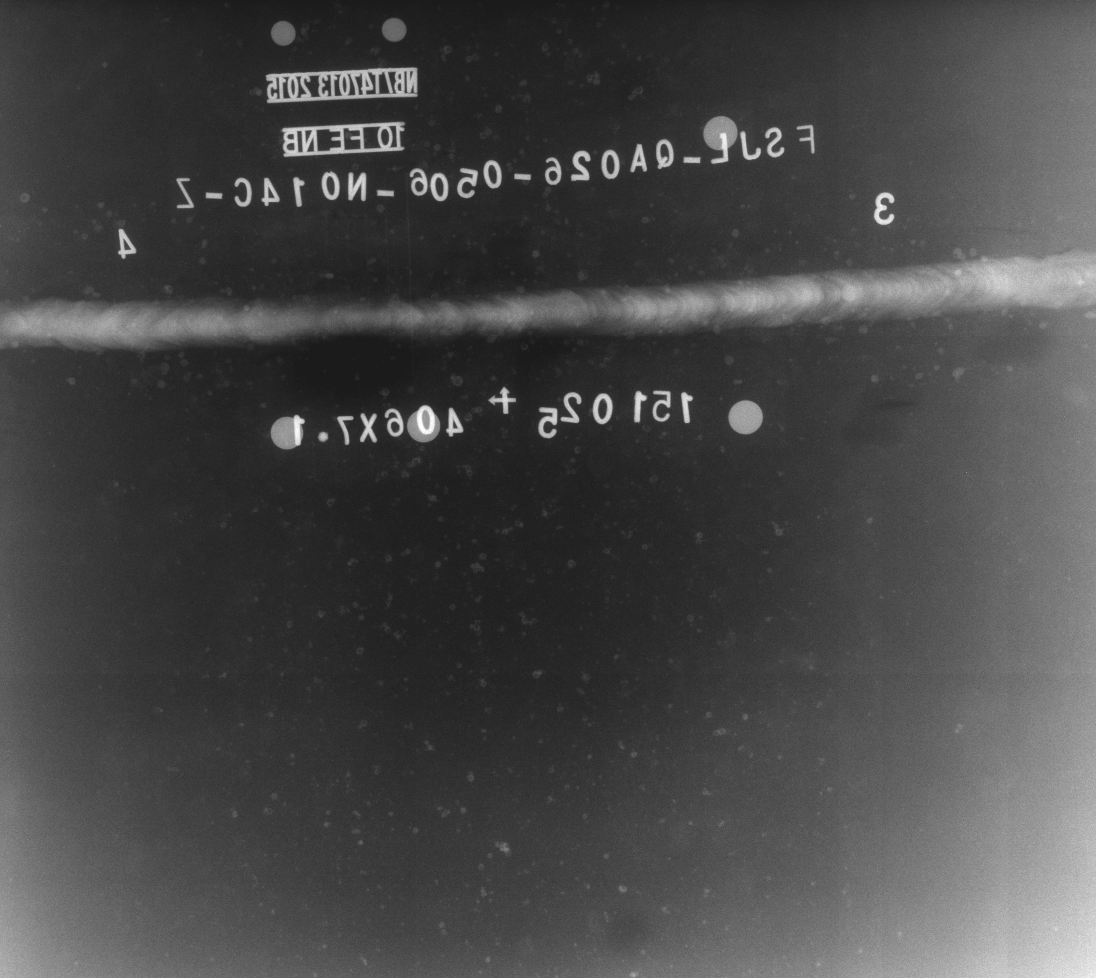 1. Ultrasonic testing Conventional ultrasonic testing does not present a hazard to the human body. It can provide depth information of the defect and an area-type defect perpendicular to the incident direction of the ray that is easily leaky. Instant results; complementary to radiation detection. 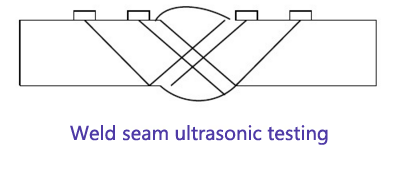 2. Characteristics of ultrasonic testing Common standards for weld ultrasonic testing GB/T11345-2013 "Non-destructive testing of welds, ultrasonic testing technology, inspection grade and assessment" (implemented on June 1, 2014, replacing the original GB/T11345-1989 "manual ultrasonic flaw detection method for steel welds and classification of flaw detection results"), GB/T29712-2013 "Non-destructive testing of welds for non-destructive testing", GB/T29711-2013 "Non-destructive testing of welds by ultrasonic testing of welds in the welds" JB/T4730.3-2005 "Non-destructive testing of pressure equipment" - Part 3 Applicable to boiler, pressure vessel and pressure pipe circumferential welded joints with wall thickness greater than or equal to 4mm and outer diameter of 32mm. It is not suitable for ultrasonic testing of cast steel welded joints, steel pipe butt welded joints with outer diameter 159mm, and fillet welds with inner diameter less than or equal to 20mm. It is also not suitable for outer diameter less than 250mm or the ratio of inner and outer diameter is less than Ultrasonic testing of 80% longitudinal welded joints. Not suitable for ultrasonic testing of cast steel, austenitic stainless steel boilers, pressure vessel tubes and pressure piping to very hung joints. (责任编辑:admin) |