DR flat panel detector - Detective Quantum Efficiency (DQE)
时间:2019-11-07 11:12 来源:未知 作者:admin 点击:次
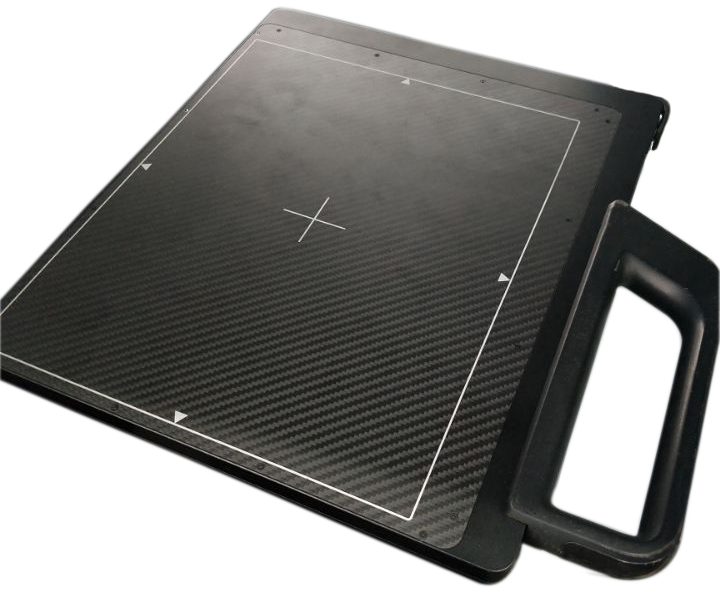 Detective Quantum Efficiency (DQE) 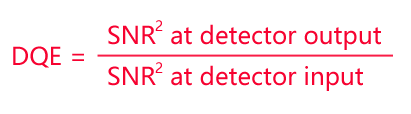 DQE is an expression of the ability of the imaging system to transmit signals and noise from input to output. The larger the DQE value, the smaller the signal-to-noise ratio loss of the acquired image, that is, the smaller the contribution of the video chain to noise. DQE is related to the photographic material, structure and process of the detector, which is also closely related to the pixel size. Image noise is inversely proportional to the number of effective photons received by each pixel unit. Generally speaking, the pixel size is large, and the number of photons contained in the pixel increases, which reduces image noise and improves detection sensitivity and DQE. Ways to control noise/improve DQE: Dynamic range of flat panel detectors |