Non-destructive Testing of Welds
时间:2019-11-15 10:50 来源:未知 作者:admin 点击:次
Non-destructive testing of welds. Welding processes and methods can introduce contaminants and metallurgical defects into the weld. If a weld is required to withstand severe loading conditions and stresses it is critical to insure its quality meets minimum standards. Welds can be tested by destructive and non-destructive techniques. Most production is tested by use of non-destructive methods. The most common non-destructive tests to check welds are Visual Inspection, Liquid Penetrant, Magnetic Particle, Eddy Current, Ultrasonic, Acoustic Emission and Radiography. Keywords: NDT, quality control, non-conformance, verification, weld procedure.
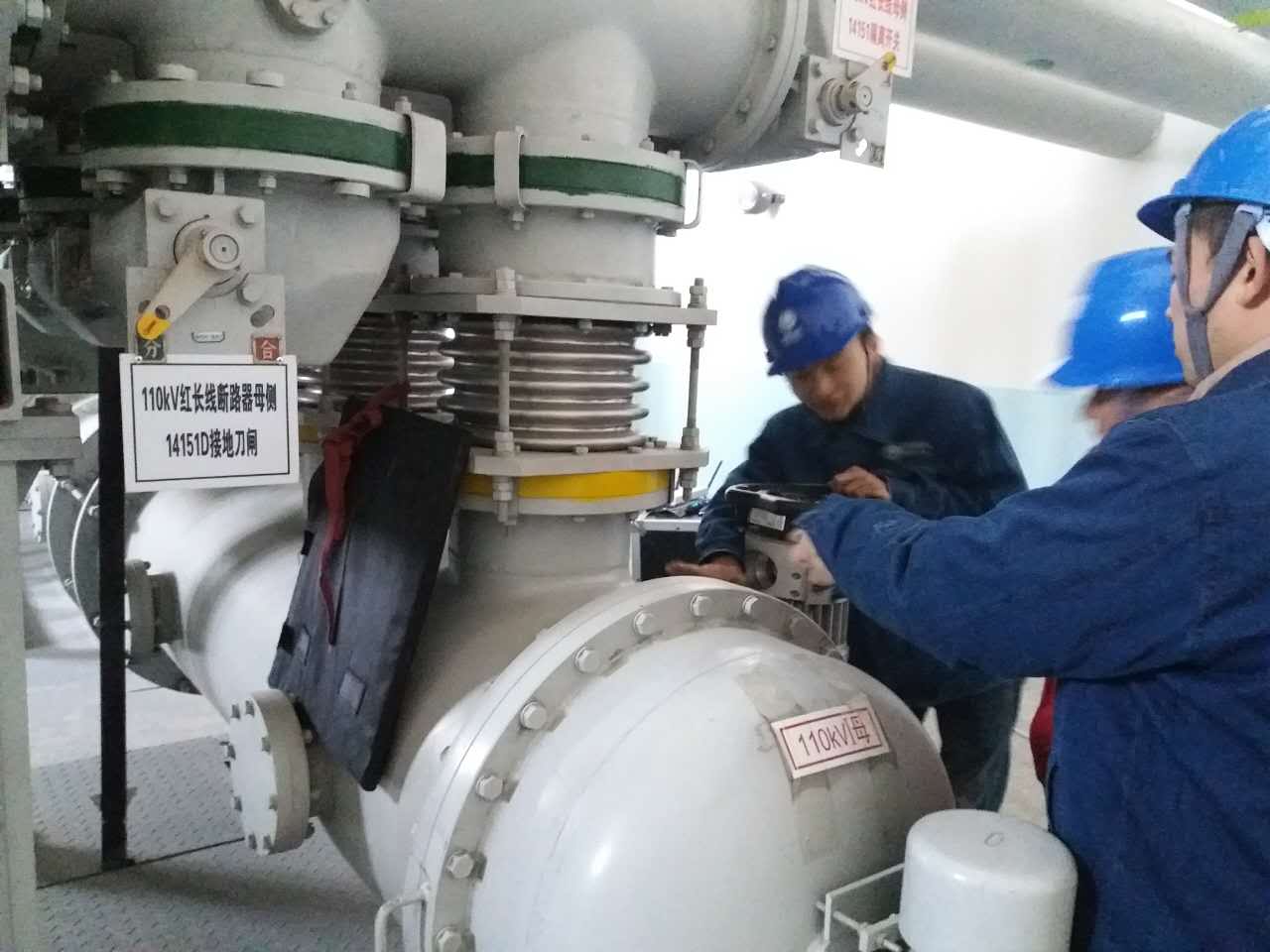 When metal is welded the molten puddle cools and solidifies. During cooling the weld quality can be compromised by inclusions such as slag, by human error from fatigue, by wrong set-up and technique, by equipment error due to breakdowns, by environmental effects such as low temperature and moisture, and by metallurgical phenomenon from incompatible metals or high cooling rates. Because welding is highly dependent on factors controlled by humans it maybe necessary to prove the quality of the work is suitably for the duty. In all the NDT methods described below the certainty of compliance is entirely dependent on the inspector’s ability. High quality results are only possible from trained, competent and experienced people. Do not use unqualified people to do any of the tests you are about to read of. (责任编辑:admin) |
- 上一篇:Requirement for radiological protection in industrial X-ray
- 下一篇:Requirement for radiological protection in industrial X-ray