Weld radiographic testing
时间:2019-12-07 10:29 来源:未知 作者:admin 点击:次
Nondestructive testing is the use of sound, light, magnetic and electrical properties, without prejudice to or does not affect the functional performance of the detected object, object detection have been in the existence of a defect or irregularity, given the size of the defect, the information such as location, nature and quantity, and determine the technical conditions of the detected objects are (such as qualified or not, residual life, etc.) of all the floorboard of the technology. Commonly used NDT methods, ultrasonic testing (UT), magnetic particle testing (MT) and liquid penetrant testing (PT) and X ray testing (RT).
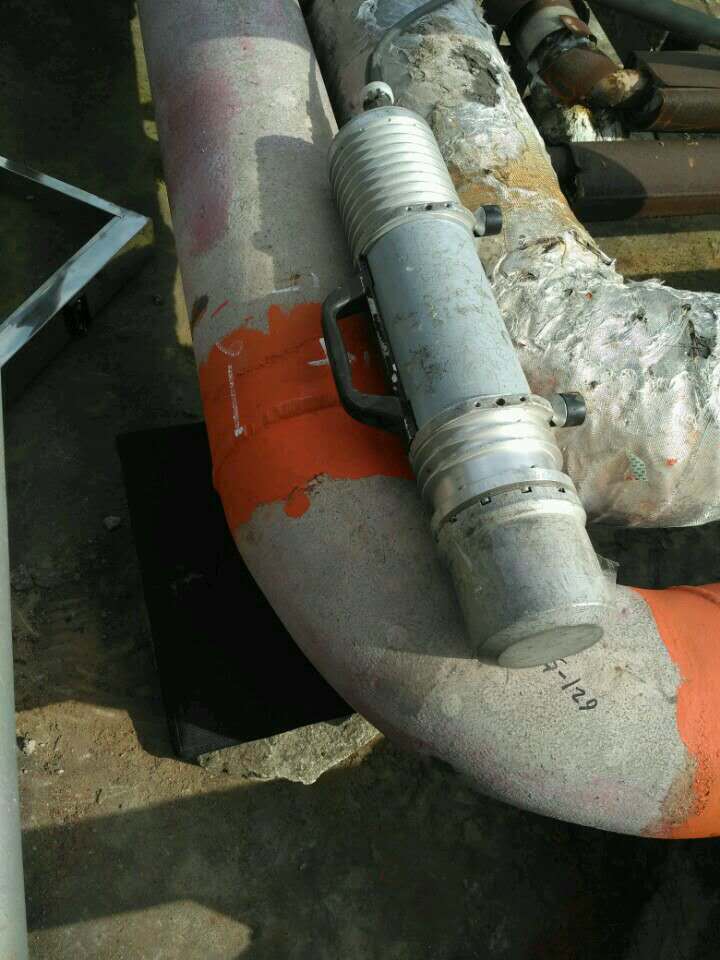 Radiographic testing, because there will be a loss after X ray through the light objects, different thickness of material on their absorption rate, and negative on the other side of the object to be light, produced by radiation intensity of different corresponding graphics, review sheet personnel can according to the image to judge whether objects inside the defective and the nature of the defect. The applicability and limitations of radiographic testing: 1, the volume type of defect is sensitive, easy to qualitative defects. 2, easy to keep, radiographic examination have traceability. 3, intuitive display the shape and type of defects. 4, faults cannot locate defects buried depth, thickness detection at the same time is limited, need special laundry, film and has certain harm to human body, the high cost. (责任编辑:admin) |