-
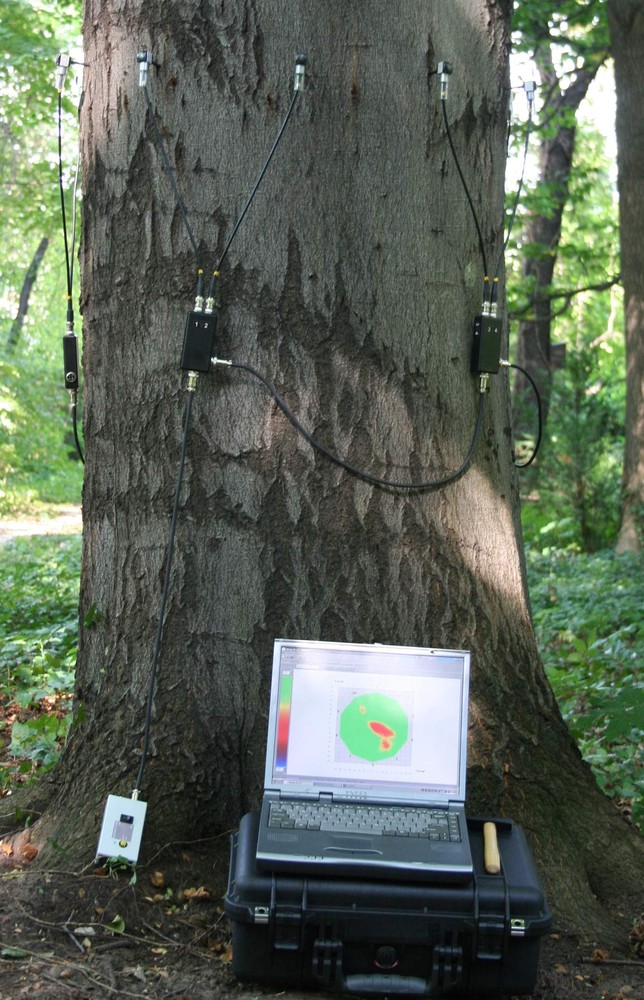
Research and application of nondestructive testing in wood a
日期:2019-11-20 15:27:01 点击:0 好评:0The non-destructive testing technology applied to wood and its products is introduced into the wood industry after various mature non-destructive testing technologies have been applied in other fields....
-
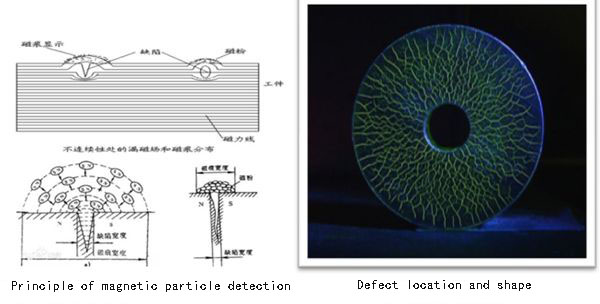
Basic Knowledge of Crack Detection with Magnetic Particles
日期:2019-11-20 10:28:39 点击:1 好评:0During the production of steel (casting), during the processing (rolling, forging, welding) and also during the utilization of steel components (bending and tensile loads) cracks can occur....
-
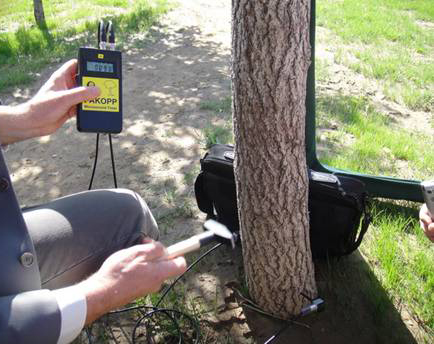
Application of Nondestructive Testing Technology in Wood Ind
日期:2019-11-19 15:21:56 点击:0 好评:0Non-destructive testing is the use of different physical and chemical properties of materials to test and test without destroying the internal and external structure and characteristics of the target object, especially for the measurement of various d...
-
Wire Rope (Cable) Inspection
日期:2019-11-19 09:58:24 点击:0 好评:0Most skiers and snowboarders rate ski resorts by their average powder base and the overall quality of the slopes. Few likely give serious consideration to the safety of chair lifts at their favorite mountains. It is likely...
-
Requirement for radiological protection in industrial X-ray
日期:2019-11-18 16:13:44 点击:1 好评:0The weekly dose reference control level of the person at the point of interest is no more than 100uSv/week for the professional staff and no more than 5uSv/week for the public....
-
Requirement for radiological protection in industrial X-ray
日期:2019-11-15 16:41:42 点击:0 好评:0The detection shall be carried out under the conditions that the limiting device of the X-ray flaw detection device is opened to the maximum, and the rated tube voltage and the tube current are irradiated....
-
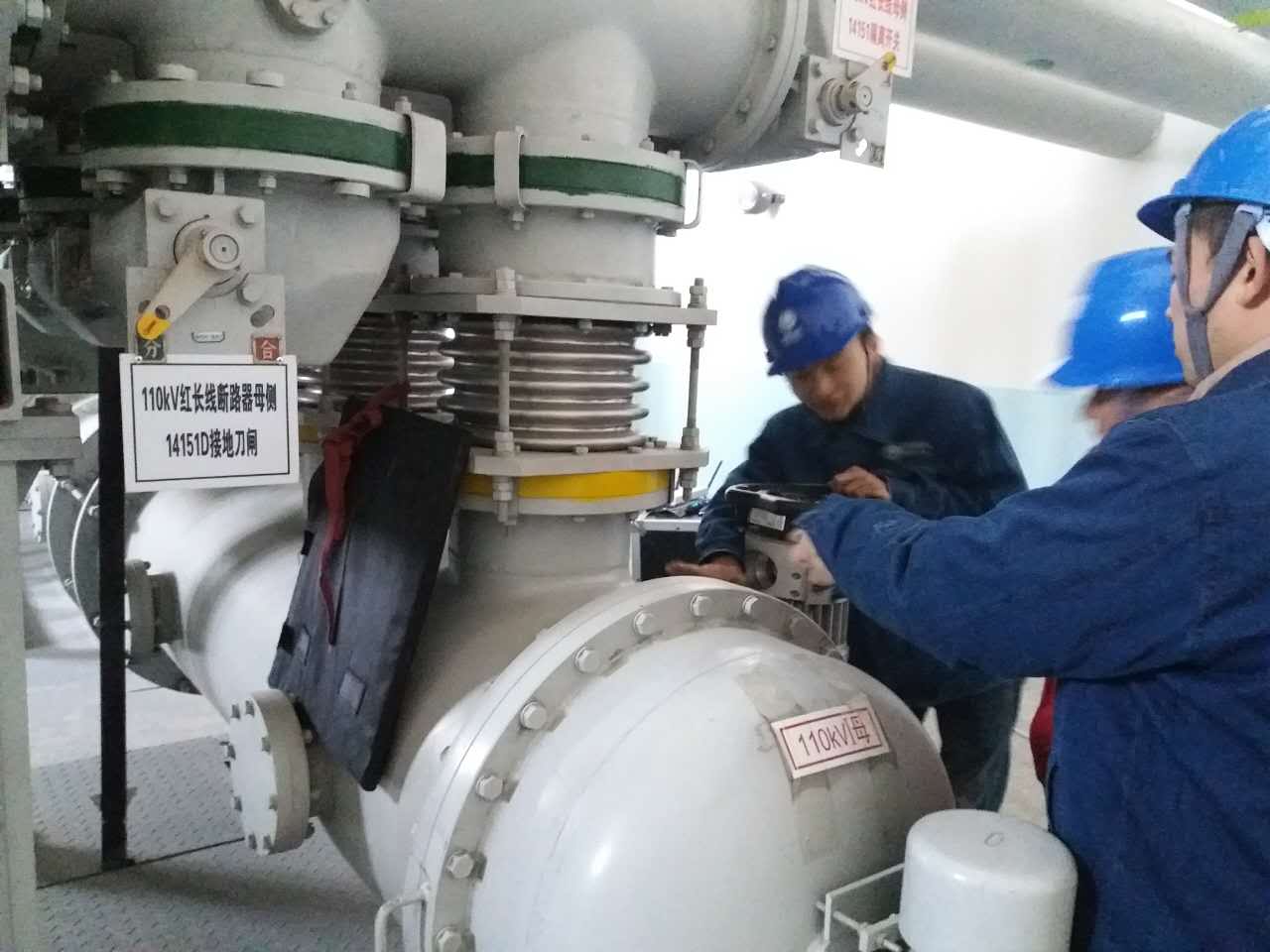
Non-destructive Testing of Welds
日期:2019-11-15 10:50:44 点击:0 好评:0Non-destructive testing of welds. Welding processes and methods can introduce contaminants and metallurgical defects into the weld....
-
Requirement for radiological protection in industrial X-ray
日期:2019-11-14 16:54:34 点击:1 好评:0When testing operations, partition management should be implemented in the workplace, and warning signs should be set at the corresponding boundaries....
-
BRIDGE INSPECTION
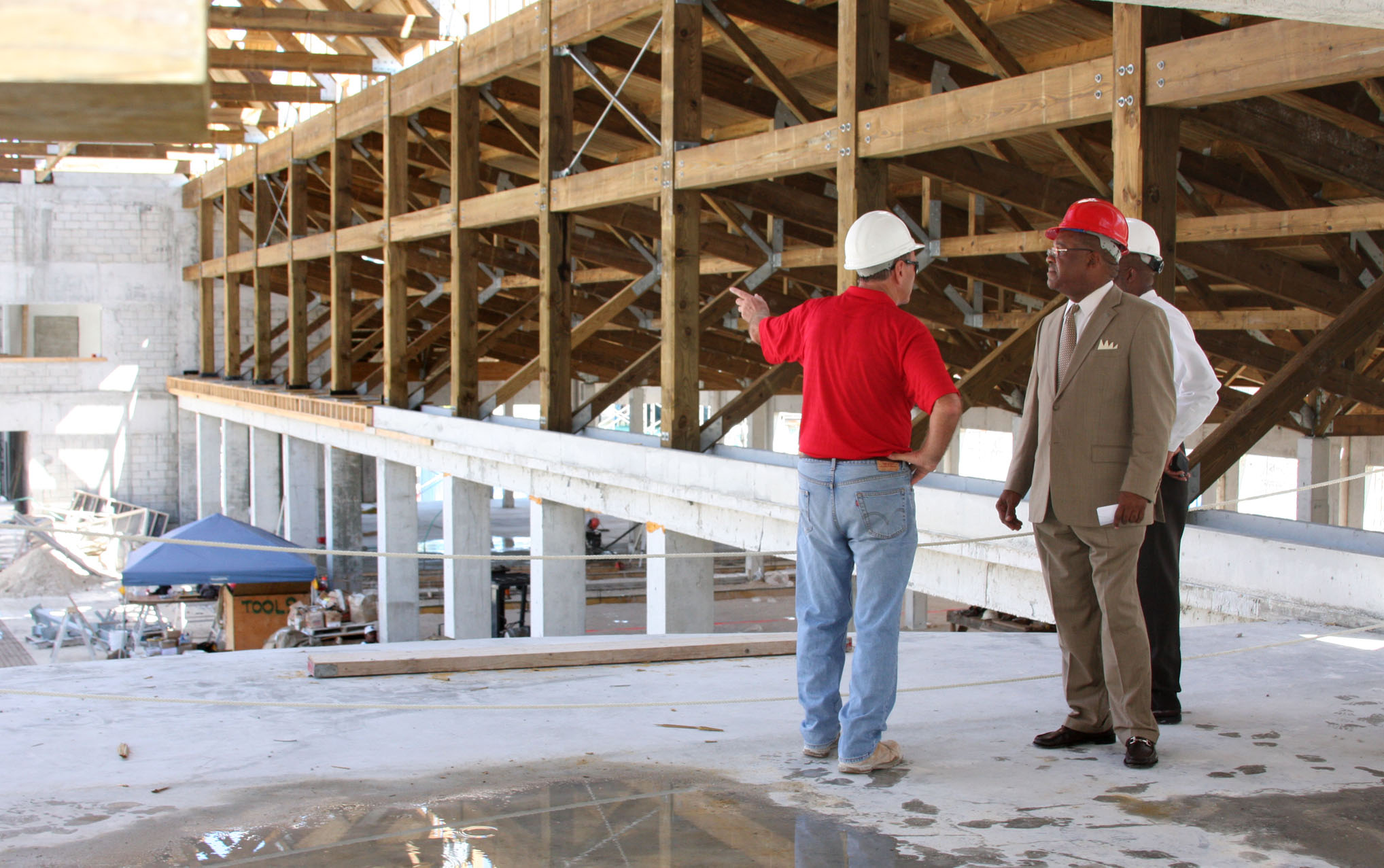
日期:2019-11-14 10:37:30 点击:0 好评:0Visual inspection is the primary NDE method used to evaluate the condition of the majority of the nation's highway bridges. Inspectors periodically (about every two years) pay each bridge a visit to assess its condition....
-
Requirement for radiological protection in industrial X-ray
日期:2019-11-13 15:45:55 点击:0 好评:0The setting of the inspection room should take into account the surrounding radiation safety. The operation room should be separated from the inspection room and try to avoid the direction of the beam irradiation....